-
A dripping tap isn’t just annoying—it can waste up to 20,000 litres of water annually, costing households $60–$200 extra per year.
-
5 main causes: worn washer, faulty O-ring, corroded valve seat, loose parts, and high water pressure.
-
DIY fixes (replacing washers, O-rings, or tightening screws) often cost under $20 and can be done in under 30 minutes.
-
Some issues—like high water pressure, mixer tap cartridge problems, or severe corrosion—require a licensed plumber due to Australian plumbing regulations.
-
Prevent leaks with regular maintenance, investing in high-quality WELS-rated tapware, and checking fittings before they fail.
-
Fixing a leaky tap today saves money, reduces water waste, and supports Australia’s sustainability efforts.
Leaky Tap in Australia? 5 Causes, Easy Fixes & When to Call a Plumber
A leaky tap might seem like just a minor household nuisance, but in Australia, it’s more than just an irritating drip. A single leaking tap can waste up to 20,000 litres of water per year, adding $60–$200 to your annual water bill. With rising utility costs and ongoing water restrictions in many regions, ignoring that drip could be costing you far more than you think.
The good news? Most leaky taps are caused by five common issues—many of which can be fixed at home with basic tools. In this guide, we’ll explore the top causes of tap leaks, when you can DIY safely, and when it’s best to call a licensed plumber in Australia.
Understanding the Real Cost of a Leaky Tap
A dripping tap might seem harmless, but the true cost becomes obvious when you look at the numbers. From wasted litres to higher bills and environmental strain, even the smallest leak can have outsized consequences for Australian households.
Water wastage statistics in Australia
According to Sydney Water, a single leaking tap can waste more than 2,000 litres of water per month—enough to fill an entire backyard pool in a year. Across the country, these small leaks add up. Water Corporation WA estimates that one in six homes experiences some form of leak at any given time, with the average household losing around 218 litres per day. That’s close to 80,000 litres annually per property—the equivalent of nearly a year’s supply for a small family.
How leaks impact your quarterly water bill
This water wastage doesn’t come cheap. With the average cost of water in Australia ranging between $2.50 and $4.00 per kilolitre, a dripping tap can silently add $60–$200 per year to your bill. For larger or multiple leaks, the costs multiply quickly, often rivaling what you’d pay for routine plumbing maintenance. Worse still, many homeowners only notice when their quarterly bill suddenly spikes, turning a preventable drip into a budget shock.
Environmental consequences
Beyond household costs, leaks also undermine Australia’s broader water conservation efforts. Many regions, including NSW, South Australia, and Western Australia, are drought-prone and rely heavily on careful water management. Every wasted litre strains reservoirs, increases demand on desalination plants, and adds to the energy footprint of water treatment. At scale, household leaks are not just a personal expense—they’re a collective burden that makes sustainable water use harder for everyone.
Stopping that drip is not just good for your wallet—it’s an act of environmental responsibility.
5 Common Causes of a Leaky Tap (and How to Fix Them Yourself)
Leaky taps may seem minor, but identifying the root cause can save you hundreds of dollars in water bills and plumbing call-out fees. Below are the five most common culprits, their DIY solutions, and what it could cost if you leave them unfixed.
Cause 1 – Worn Washer
One of the most frequent causes of a dripping tap is a worn-out washer. Each time you turn the tap on and off, the washer presses against the valve seat. Over time, this constant friction wears it down, allowing water to seep through.
DIY Fix:
- Turn off the water supply.
- Unscrew the tap handle and remove the stem.
- Replace the washer with a new one of the same size.
- Reassemble the tap and test.
Cost impact: A packet of washers costs as little as $3–$5 at Bunnings. Compare this to ignoring the drip—Sydney Water estimates a leaking tap can waste up to 20,000 litres of water a year, adding $80–$150 annually to your bill.
Difficulty: 🟢 Easy | ⏱ 15 mins | 💰 $5
A worn-out washer is the most common culprit. Simply unscrew the tap, remove the old washer, and replace it with a new one.
Cause 2 – Faulty O-Ring
If your tap is leaking around the handle or base rather than the spout, a worn or damaged O-ring is likely to blame. This small rubber ring creates a waterproof seal, but it can crack over time.
DIY Fix:
- Turn off the water and remove the tap handle.
- Unscrew the cover and stem to reveal the O-ring.
- Replace it with a matching-sized new O-ring.
- Reassemble and test for leaks.
Cost impact: O-rings cost under $5 for a pack. A plumber, however, may charge between $100–$180 for a call-out to replace it. Doing it yourself is both straightforward and cost-effective.
Difficulty: 🟢 Easy | ⏱ 20 mins | 💰 $5–$10
If water is leaking around the tap’s handle, the O-ring is likely worn. Swap it out with a replacement O-ring of the same size.
Cause 3 – Corroded Valve Seat
The valve seat connects the tap to the spout. In hard-water areas, mineral build-up and corrosion can eat away at the metal, causing leaks even when the washer is new.
DIY Fix:
- Light corrosion: Use a valve seat wrench or reseating tool to smooth out the surface.
- Severe corrosion: Replace the valve seat entirely (kits available at hardware stores for around $15–$20).
Cost impact: Left unchecked, corrosion can damage the entire tap, forcing a full replacement costing $100–$300.
Difficulty: 🟡 Moderate | ⏱ 30–45 mins | 💰 $15–$20
Corrosion where the washer meets the valve seat can cause persistent leaks. Use a reseating tool to grind the surface flat again, or install a new valve seat.
Cause 4 – Loose or Worn Parts
Over time, stem screws, packing nuts, or other small parts inside the tap can loosen. This often leads to a handle that feels wobbly and leaks during use.
DIY Fix:
- Remove the tap handle and check screws and nuts.
- Tighten with a spanner or replace worn parts (available in repair kits for $10–$20).
Cost impact: Tightening takes just minutes. Ignoring it can worsen the problem, eventually requiring a new mixer tap costing $120–$250, plus installation fees.
Difficulty: 🟢 Easy | ⏱ 10–15 mins | 💰 $10–$15 kit
Over time, nuts and screws loosen inside the tap, causing drips. Tightening them or replacing worn fittings usually stops the leak.
Cause 5 – High Water Pressure
If your tap only leaks at certain times—like overnight—high water pressure could be the hidden cause. Excess pressure forces water past seals, making even new washers leak.
DIY Fix:
- Test water pressure with a $20 pressure gauge.
- If it exceeds 500 kPa (the Australian standard), install a pressure regulator or pressure-limiting valve.
- Regulators cost $80–$150, but you may need a licensed plumber for installation.
Cost impact: High water pressure doesn’t just damage taps—it shortens the lifespan of appliances like dishwashers and washing machines. A $150 fix now could save thousands later.
By diagnosing and fixing these five causes yourself, you can save significantly on water bills and avoid unnecessary plumbing fees. In most cases, repairs cost under $20 in parts, while leaving them unchecked could lead to expenses in the hundreds.
Difficulty: 🔴 Professional Only | 💰 $150+
Excessively high water pressure can damage tapware and cause leaks. If this is the issue, call a licensed plumber to install a pressure regulator.
DIY Fixes vs When to Call a Plumber
Easy DIY Fixes Any Homeowner Can Do
Not every leaky tap requires a costly service call. In fact, most minor tap issues are simple enough for homeowners to repair with a few tools and a trip to the hardware store. Replacing a worn washer, swapping out a faulty O-ring, or tightening loose screws and packing nuts are all affordable fixes—often costing under $10–$20 in parts. For example, a dripping tap caused by a worn washer can usually be resolved in under 30 minutes, with immediate savings on your water bill. For households looking to reduce expenses, these simple do-it-yourself repairs can make a noticeable difference without professional intervention.
Issues That Require a Licensed Plumber in Australia
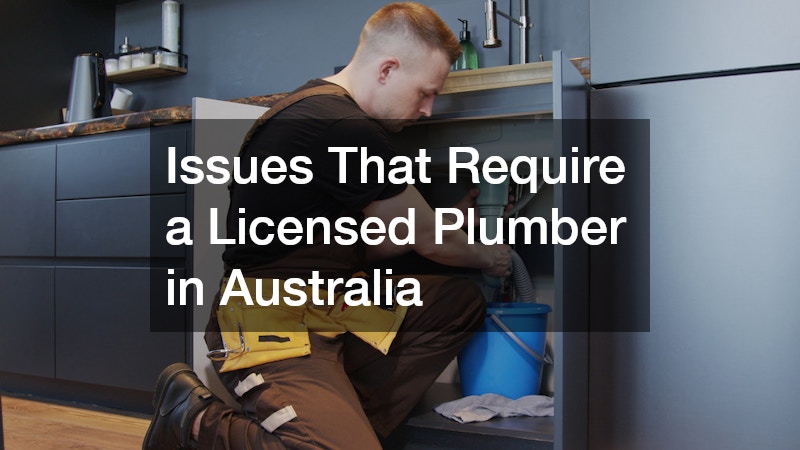
While small leaks can be fixed at home, some situations demand professional expertise. High water pressure is one example—if a pressure test shows your home’s supply exceeds safe limits, installing a pressure regulator should only be handled by a licensed plumber. Severe corrosion or a damaged valve seat that requires regrinding or replacement also falls into this category, as it involves specialised tools and skills. In some cases, hidden leaks inside walls or under flooring may be causing the drip, which not only increases costs but also risks water damage and mould growth. In these scenarios, calling a professional ensures the issue is fixed correctly and permanently.
Safety & Compliance Considerations
It’s important to note that Australian plumbing work is regulated to protect both homeowners and the community. According to state laws and the Plumbing Code of Australia, certain repairs—particularly those involving water supply systems—must only be carried out by licensed professionals. Doing unlicensed plumbing work can lead to fines of up to $30,000 in some states. Homeowners should feel confident tackling minor tap repairs, but when the job involves mains water pressure, complex fittings, or anything beyond the fixture itself, compliance and safety should come first.
Preventing Future Leaky Taps
Regular Maintenance Checklist
Prevention is always cheaper than repair, and with taps it’s no different. A simple maintenance routine can save homeowners from unexpected drips and costly water bills. Every three to six months, check for early signs of wear such as stiff handles, small drips, or unusual noises when turning the tap on and off. Clean aerators to prevent mineral build-up, especially in hard-water areas. Inspect washers and O-rings, as these are usually the first components to fail. By addressing these small issues early, you can extend the lifespan of your tapware and avoid larger plumbing problems.
Using Quality Tapware for Australian Homes
One of the most effective ways to prevent leaks is to invest in high-quality tapware designed for Australian conditions. Cheaper taps often use inferior materials that wear out quickly, leading to repeated repairs. Brass and stainless-steel fittings generally last longer and resist corrosion better than plastic alternatives. For outdoor taps, look for UV- and weather-resistant models that can withstand Australia’s harsh climate. While quality tapware may cost more upfront, the reduced need for replacements and repairs makes it a more economical choice in the long run.
Importance of Water-Efficient WELS-Rated Taps
Australia’s Water Efficiency Labelling and Standards (WELS) scheme provides a reliable way to choose tapware that saves both water and money. A WELS-rated tap indicates how efficiently it uses water, with higher star ratings offering greater savings. For example, a standard tap without a WELS rating may use up to 15–18 litres per minute, while a 4-star WELS tap can reduce usage to 7 litres per minute or less. This not only helps the environment but can also cut hundreds of dollars from annual household water bills. Choosing water-efficient taps ensures you’re protecting your plumbing system, your budget, and Australia’s precious water resources.
FAQs
Why does my tap keep leaking after changing the washer?
If your tap continues to drip even after replacing the washer, the problem could lie elsewhere. Common culprits include a worn O-ring, corrosion of the valve seat, or using a washer that doesn’t fit properly. These issues prevent a watertight seal, allowing water to seep through.
How much does a leaky tap cost per day in Australia?
A single dripping tap can waste up to 20 litres a day, which translates to roughly $2–$4 daily depending on your local water rates and usage. Over a year, that’s hundreds of dollars in unnecessary costs.
Can I fix a leaky tap myself?
Yes, most minor tap leaks are DIY-friendly. Replacing a washer, O-ring, or tightening loose screws often solves the issue. With the right tools and a little patience, most homeowners can manage these small repairs without calling a plumber.
Is a dripping tap dangerous?
While not immediately dangerous, a persistent leak can lead to mould growth, damp walls, or even damage to surrounding cabinetry. Over time, leaks also strain your plumbing system and significantly increase water bills.
Do I need a plumber to fix a leaking mixer tap?
Yes, in many cases. Mixer taps are more complex than standard taps because they rely on cartridges. If replacing washers or O-rings doesn’t stop the drip, or if the cartridge itself is faulty, a licensed plumber should handle the repair.
What tools do I need to fix a leaky tap?
Basic tools include an adjustable spanner, screwdriver, and replacement parts such as washers or O-rings. For mixer taps, you may also need a cartridge replacement tool.
How do I stop a mixer tap from dripping in Australia?
Start by inspecting the O-ring and cartridge inside the tap. If these components are worn out, replacing them usually solves the issue. For step-by-step instructions, refer to The Ultimate DIY Guide: How to Fix a Leaking Tap.
Does homeowners insurance cover leaky taps?
No. Standard homeowners insurance in Australia doesn’t cover the repair of worn-out or faulty taps. However, it may cover water damage caused by leaks, such as damaged walls or flooring, if the leak results in an insured event.
Conclusion
Leaky taps may seem like a small annoyance, but as we’ve seen, the impacts quickly add up. From worn-out washers and faulty O-rings to valve seat corrosion, high water pressure, and poor-quality tapware, the causes of dripping taps are varied—but fortunately, most can be addressed with the right know-how.
For homeowners in Australia, simple DIY fixes—like replacing a washer, tightening a loose handle, or swapping out a worn O-ring—can often stop a leak in its tracks. However, when the problem runs deeper, such as persistent water pressure issues, advanced mixer tap problems, or internal corrosion, calling a licensed plumber ensures the job is done safely, correctly, and in compliance with the Plumbing Code of Australia.
Preventing future leaks is just as important as fixing them. A proactive approach—such as regular maintenance, using WELS-rated tapware, and checking seals before they wear out—can save you from costly water bills, unnecessary repairs, and wasted resources. For practical water-saving tips, Sydney Water and Water Corporation WA provide excellent guides tailored to Australian households.
The bottom line? A dripping tap is never just about the drip. It’s about money trickling down the drain, potential long-term water damage, and Australia’s precious water supply being wasted. Fixing your leaky tap today is not just a smart financial decision—it’s also an environmentally responsible one.
Take the next step: if your leak looks manageable, try our step-by-step tips in The Ultimate DIY Guide: How to Fix a Leaking Tap. And if the problem seems too complex, don’t hesitate to call in a professional. Either way, you’ll save money, water, and a lot of hassle in the long run.