Embarking on a new construction project is an exciting venture. Whether you’re clearing a vacant block for an architectural home, breaking ground on a multi-residential townhouse development or commencing a major commercial build, the early stages of a project set the tone for everything that follows. In the rush to get excavators on-site and foundations poured, it’s incredibly easy to overlook what lies directly beneath your feet.
In Australia, our subterranean landscape is a complex, invisible web of critical infrastructure. Beneath almost every building site lies an intricate network of high-voltage electricity cables, high-pressure gas mains, fibre-optic telecommunications lines, water pipes and sewerage systems.
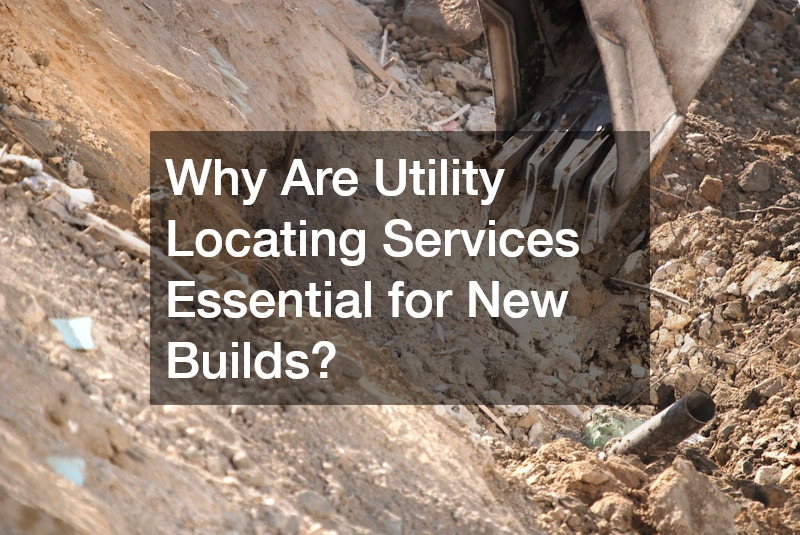
Striking any of these during excavation isn’t just an inconvenience; it can be catastrophic. This is precisely why engaging professional utility locating services is an absolute necessity before a single blade of earth is turned.
Ensuring On-Site Safety
The absolute highest priority on any construction site is the health and safety of the workers, contractors and the surrounding public. Excavation ranks among the most hazardous construction activities, and striking an underground asset carries severe risks.
Hitting a live electrical cable can cause catastrophic arc flashes, severe burns or fatal electrocution. Rupturing a high-pressure gas main creates an immediate risk of explosion and fire, requiring mass evacuations of the neighbourhood. Even striking a water main can cause rapid trench flooding, risking worker drowning or structural collapses of trench walls. Professional utility locating services use advanced, non-destructive technologies — such as Ground Penetrating Radar (GPR) and electromagnetic induction — to accurately pinpoint the depth and alignment of these hazards, ensuring your team goes home safely at the end of the day.
Mitigating Astounding Financial Liabilities
In Australia, the legislative framework surrounding asset protection is incredibly strict. The long-standing principle of “Dial Before You Dig” (now Before You Dig Australia, or BYDA) is a mandatory first step, but it’s vital to understand that BYDA plans are indicative only. They tell you that utilities exist in the general area, but they don’t guarantee exact locations, depths or subsequent layout changes.
If your project damages an underground utility asset because you failed to physically verify its location, your business faces massive financial exposure. Asset owners — such as Telstra, NBN, Optus, gas networks and electricity distributors — will pursue you for the full cost of repairs. These industrial-scale repairs regularly run into tens or hundreds of thousands of dollars. Furthermore, standard construction insurance policies often feature exclusions or heavily inflated deductibles if it’s proven that proper locating protocols were ignored.
Avoiding Project Delays & Contract Penalties
Modern construction operates on incredibly tight, heavily sequenced schedules. A delay in one phase ripples through the entire timeline, causing a domino effect across subcontractors, material deliveries and inspections.
If an excavator tears through a major fibre-optic bundle or water trunk line, work stops instantly. The site becomes a crime or incident scene, triggering mandatory investigations by workplace health and safety authorities (such as SafeWork). While repairs are carried out and investigations take place, your site could be shut down for days or even weeks. Meanwhile, you’re still paying for hired plant equipment, overheads and potentially facing liquid damages or late-completion penalties from your clients.
Precision Planning & Architectural Design
Engaging locators early in the piece — well before the final architectural and structural engineering plans are stamped — can drastically improve your project design. Knowing exactly where underground assets lie allows designers to plan footings, basements, driveways and retaining walls with absolute precision.
If a major water main or electrical easement runs through your property, it can severely restrict where you can legally place permanent structures. Discovering this after you have paid for engineering designs and council building approvals is a nightmare scenario that forces costly, time-consuming redesigns. Getting the ground surveyed early means you design around reality, not guesswork.
Protecting the Broader Community
A new build doesn’t exist in a vacuum. It’s integrated into an existing community that relies heavily on uninterrupted utility access. Rupturing a fibre-optic cable can take down internet and phone access for thousands of nearby residents, disrupting local businesses, work-from-home professionals and vital emergency service communication channels. Cutting off water or electricity can force nearby schools or medical centres to close. By doing your due diligence, you maintain good relationships with the local council and community, safeguarding your brand’s reputation.
Ultimately, trying to save a small amount of time or money by skipping a comprehensive ground scan is a classic false economy. The risks — ranging from severe physical injury and crippling lawsuits to massive project delays — far outweigh the cost of a professional survey. Making subsurface mapping a non-negotiable part of your pre-construction phase guarantees that your new build stands on solid, safe and legally compliant ground.