- A leaking tap can waste up to 20,000 litres of water a year in Aussie homes.
- Fixing it yourself is easy with a $10–$25 DIY kit and basic tools.
- Professional plumber costs: $100–$150 call-out fee; full replacement: $150–$250.
- Water-efficient taps may be eligible for state rebates.
- Repairs save money on bills and support Australia’s water sustainability goals.
- Step-by-step DIY fix: Turn off water → Disassemble tap → Replace washer/O-ring → Reassemble → Test.
- Prevent leaks with regular maintenance, tapware upgrades, and gentle handling.
- Aligns with Sydney Water’s “Love Water” campaign and broader national conservation efforts.
Introduction
A dripping tap might seem harmless, but in Australia it’s far from just an annoyance. According to Sydney Water, a single leaking tap can waste more than 20,000 litres of water per year—enough to fill a swimming pool—and add up to $150–$300 to your annual water bill. With utility costs rising and many regions facing water restrictions, every drop counts.
The good news? Most leaks are caused by simple issues like worn washers or O-rings that can be fixed at home for as little as $10–$25 with a DIY kit and a few basic tools. By comparison, calling a professional plumber usually involves a $100–$150 call-out fee, with full tap replacement costing $150–$250 or more.
In this guide, we’ll walk you through the most common causes of a leaking tap, step-by-step instructions for DIY repairs, and when it’s smarter to call in a licensed plumber. Along the way, you’ll also learn how fixing that drip supports Australia’s water conservation efforts, including programs like the Sydney Water “Love Water” campaign.
Why Fixing a Leaking Tap Matters
Water Conservation in Australia
Australia is recognised as one of the driest inhabited continents on Earth, making water conservation not just a good habit but a national priority. According to the Australian Bureau of Statistics (ABS), households account for nearly 10% of the country’s total water consumption, with taps and fixtures being major contributors to daily usage. A single leaking tap, even if it drips once every second, can waste more than 20,000 litres of water per year—enough to fill a backyard swimming pool.
State governments and local councils have rolled out water-saving initiatives, such as Sydney Water’s WaterFix program and similar rebates in Victoria and Queensland, to encourage households to address leaks quickly. Repairing a tap is one of the simplest ways homeowners can align with these initiatives, reduce unnecessary strain on Australia’s water supply, and support sustainability efforts during drought-prone seasons.
Cost of Ignoring a Leaking Tap
Many homeowners brush off a dripping tap as a small inconvenience, but the longer you wait, the more expensive it becomes. What starts as a worn washer or loose O-ring can quickly escalate into damaged spindles, corroded fittings, or leaking pipework behind walls—all of which are far costlier to repair than a simple DIY fix.
Beyond higher water bills, leaks can cause stains, mould, and damp cabinetry, especially in kitchens and bathrooms. Left unchecked, this kind of hidden water damage can impact both your home’s value and your family’s health, particularly for those with asthma or respiratory conditions.
In short, ignoring a leaking tap doesn’t just waste water—it risks turning a $20 repair into a $500 plumbing bill. Fixing it early is always the cheaper, smarter option.
Common Causes of a Leaking Tap
A dripping tap is more than an annoyance—it’s a sign something inside your tap isn’t working as it should. By understanding the most common leaking tap causes, you can quickly identify the issue and decide whether to repair it yourself or call a plumber.
1. Worn-Out Tap Washers
Traditional compression taps rely on rubber or nylon washers to create a watertight seal. Over time, these washers harden, crack, or flatten, allowing water to drip from the spout. If you notice water constantly dripping, the washer is likely the culprit. The fix is straightforward—most homeowners can learn how to replace a tap washer with just a spanner and a new washer.
2. Faulty O-Rings
If you notice your tap leaking water from the handle instead of the spout, the O-ring is usually to blame. This small rubber ring keeps the tap sealed where the handle meets the body. When worn, it allows water to escape around the base. Replacing an O-ring is cheap and quick, especially if you keep a DIY plumbing kit on hand.
3. Loose or Worn Jumper Valves
Jumper valves, found in many Australian taps, control water flow inside the mechanism. When they become cracked or loose, they can mimic washer failure and cause continuous dripping. If replacing the washer doesn’t solve the problem, the jumper valve may be the next part to check.
4. High Water Pressure
Excessive water pressure puts unnecessary stress on washers, O-rings, and jumper valves. If multiple taps around your home start leaking, high pressure could be the underlying cause. Installing a pressure regulator or getting a plumber to test your system can prevent recurring issues.
Tools & Materials You’ll Need
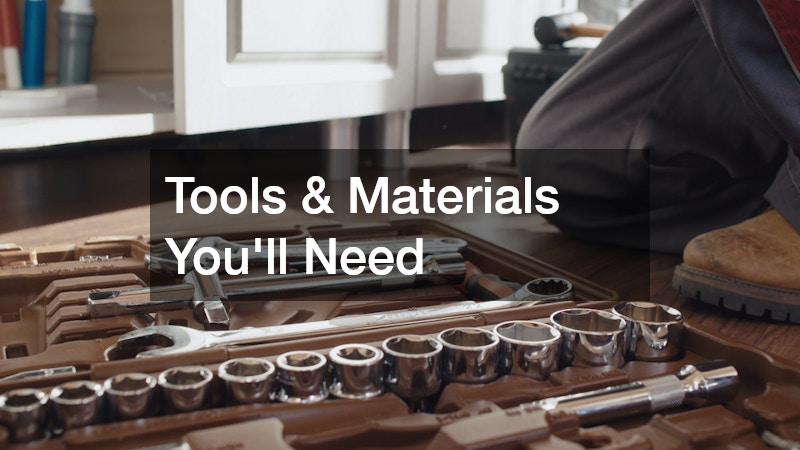
Before you start fixing a leaking tap, having the right tools and materials ready will make the job quicker, cleaner, and far less frustrating. Most of these items are inexpensive and available at your local hardware store or online, and many can be reused for future plumbing tasks.
Adjustable Spanner
This versatile tool is essential for loosening or tightening nuts and fittings without damaging them. It allows you to grip parts of varying sizes.
Screwdriver
Depending on your tap type, you’ll need either a flat-head or Phillips screwdriver to remove tap handles and covers.
Pliers
Handy for gripping and pulling out washers, O-rings, or jumper valves that might be stuck inside the tap body.
Tap Washer Kit (Washer, O-Ring, Jumper Valve)
These are the most common culprits behind leaks. Keeping a replacement kit on hand ensures you can swap out worn parts immediately.
Plumber’s Tape (Teflon Tape)
Used to seal threaded connections and prevent leaks at the joins. It’s especially important if you’re reassembling taps with worn threads.
Clean Cloth
To wipe away water residue, grime, or old grease inside the tap seat before inserting new parts.
Silicone Grease
Applying a thin layer helps lubricate O-rings and washers, extending their lifespan and ensuring smooth operation of the tap.
Tip: If you’re new to DIY plumbing, check out our detailed guide on Must-Have Plumbing Tools for Every Australian DIY Enthusiast to build a well-rounded toolkit for future home repairs.
How to Fix a Leaking Tap
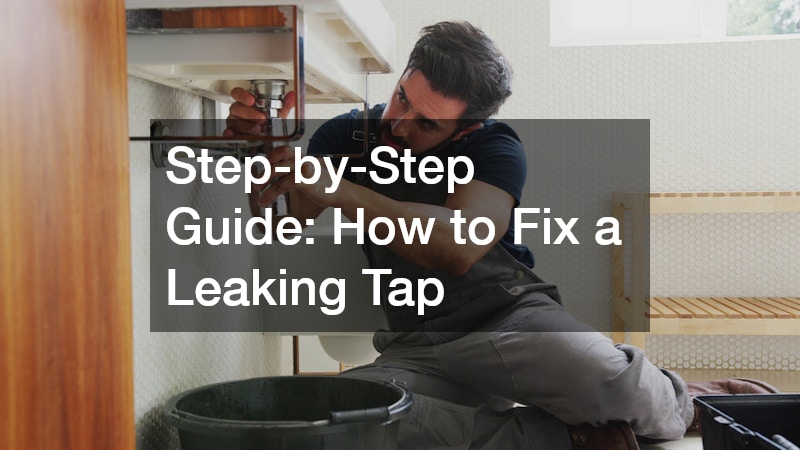
Fixing a leaking tap at home is often simpler than many homeowners realise. With just a few tools and inexpensive replacement parts, you can stop a dripping tap, save money on bills, and prevent further damage to your plumbing. Follow these DIY plumbing tips step by step.
How to Stop a Dripping Tap
Before beginning, always turn off the water supply at the mains. This prevents flooding while you work. Then:
- Open the tap fully to release any leftover water.
- Remove the tap handle by lifting the cap and unscrewing the retaining screw.
- Take off the cover plate and unscrew the tap bonnet using a spanner.
- Replace worn internal parts (washer, O-ring, or jumper valve).
- Reassemble the tap, turn the mains back on, and test for leaks.
DIY Plumbing Tip: Keep spare washers and O-rings handy—these are the most common leaking tap causes and can be swapped in minutes.
How to Replace a Tap Washer
A worn washer is the number one reason for a dripping spout. To replace it:
- Remove the tap spindle after disassembling the handle.
- Take out the old washer using pliers.
- Insert a new washer of the same size, ensuring it sits flat.
- Apply plumber’s tape around the spindle threads before reattaching.
This quick fix usually costs less than $5 and can extend the life of your tap.
Tap Leaking Water from the Handle? Replace the O-Ring
If your tap is leaking water from the handle rather than the spout, the O-ring is usually at fault. Here’s how to fix it:
- Remove the tap handle and spout.
- Slide off the worn O-ring with a flathead screwdriver.
- Fit a new O-ring, adding a little silicone grease for lubrication.
- Reassemble and test.
This is a simple DIY repair that takes 10–15 minutes.
Leaking Kitchen Tap vs Bathroom Tap
Not all taps are built the same, and the type of tap often determines how you repair it:
-
Leaking kitchen tap – Most kitchen taps are modern mixers, which often use cartridges instead of washers. If replacing a washer or O-ring doesn’t fix the problem, you may need to replace the entire cartridge—sometimes a plumber’s job.
-
Leaking bathroom tap – These are usually compression-style taps with washers and jumper valves, making them easier and cheaper for DIY repairs.
Knowing the difference helps you decide whether to tackle the repair yourself or call a professional.
When to Call a Licensed Plumber
While a DIY leaking tap repair can save time and money, there are situations where calling a licensed plumber is the safer and more effective choice. Attempting complex plumbing fixes without the right skills can lead to bigger problems and costly water damage.
Persistent Leaks After DIY Repairs
If your tap continues to drip even after replacing the washer or O-ring, it’s a strong indication that the problem lies deeper. Issues such as corroded valve seats, misaligned parts, or hidden cracks may require tap repair services handled by a professional. A licensed plumber can diagnose the exact cause and ensure the leak is permanently fixed.
Hidden or Complex Leaks
Leaks that occur inside the wall, under the sink, or within pipe joints are difficult to detect without specialized tools. These leaks often cause water stains, mould growth, or even structural damage. In such cases, contacting a leaking tap plumber or emergency plumbing help is essential to prevent long-term damage to your home.
Low Water Pressure or Inconsistent Flow
Sometimes what appears to be a leaking tap is actually linked to low water pressure issues. These can be caused by mineral buildup, pipe blockages, or a faulty pressure regulator. A professional plumber near me can run pressure tests, clean blocked lines, and restore proper flow.
Compliance and Safety
Every Australian state has plumbing codes that homeowners must follow. If you’re unsure about local regulations or the cost to fix a leaking tap, a licensed plumber ensures compliance while providing reliable long-term solutions.
For more on certified professionals, visit Master Plumbers Australia.
Preventing Future Tap Leaks
Taking proactive steps can save homeowners time, money, and frustration in the long run. By adopting the right habits and investing in durable tapware, you can greatly reduce the chances of leaks recurring.
Avoid Overtightening
One of the most common mistakes homeowners make is overtightening their taps in an attempt to stop minor drips. While it might feel like a quick fix, excessive force actually damages the washer, O-ring, or even the internal tap mechanism. Over time, this pressure can wear down components and create more leaks rather than solving them. Instead, always turn the tap off firmly but gently. If a drip persists, it’s a sign that the washer or O-ring needs replacement—not more force.
Clean & Service Regularly
Another effective way to prevent leaks is through routine cleaning and servicing. Mineral buildup from hard water is a frequent cause of worn or corroded tap components. By soaking removable parts in vinegar, you can dissolve lime scale and improve water flow. Additionally, lubricating O-rings and seals with silicone grease every few months reduces friction and prolongs their lifespan. This small maintenance habit ensures smoother operation and reduces the likelihood of sudden leaks.
Upgrade to Ceramic Disc Taps
For a more long-term solution, upgrading to ceramic disc taps is highly recommended. Unlike traditional rubber washers that wear out quickly, ceramic discs are designed to be more durable and resistant to everyday wear. While the upfront cost may be higher, they significantly reduce the frequency of repairs and replacements, making them a cost-effective option for modern Australian households.
By avoiding overtightening, performing routine maintenance, and considering modern tap upgrades, you can keep your plumbing system in great shape and avoid costly water wastage in the future.
Costs: DIY vs Professional Plumbing
One of the biggest considerations for homeowners dealing with a leaking tap is whether to attempt a DIY fix or call in a licensed plumber. The costs can vary significantly depending on the approach you choose, and understanding these differences helps you make an informed decision.
DIY Costs
A typical tap washer replacement kit costs between $10 and $25 at most hardware stores. These kits usually include washers, O-rings, and sometimes jumper valves—everything you need for a standard repair. If you already have basic plumbing tools like an adjustable spanner, screwdriver, and plumber’s tape, your total spend remains minimal. Even if you need to purchase a couple of new tools, the upfront cost is still much lower than hiring a professional. DIY repairs are best suited for simple leaking tap issues, such as worn washers or O-rings.
Professional Plumbing Costs
Hiring a licensed plumber generally involves a call-out fee ranging from $100 to $150, which covers the initial inspection and labour for basic fixes. If your tap needs a full replacement or the plumber discovers hidden issues—such as internal leaks, damaged spindles, or corroded fittings—the cost can rise to $150–$250 or more. While this may seem expensive compared to DIY, it comes with the advantage of expertise, compliance with local plumbing codes, and peace of mind that the repair will last.
Long-Term Savings
Upgrading to water-efficient taps or ceramic disc tapware might involve a higher upfront cost but can reduce water bills significantly. In many Australian states, rebates or incentives are available through local water authorities for switching to water-saving fixtures. Over time, this investment can outweigh the higher initial cost of professional installation.
Before replacing, explore this guide on Best Modern Tapware for Australian Homes (Reece Bathrooms) to see stylish, efficient options.
Environmental Impact
A leaking tap may seem like a minor household issue, but the environmental impact is far greater than most people realise. A single tap that drips once every second can waste more than 20,000 litres of water per year—enough to fill a medium-sized backyard swimming pool. When multiplied across thousands of households, this unnecessary loss puts immense strain on Australia’s already limited water resources.
Fixing leaks is not just about saving money on water bills; it is also about contributing to the broader national water sustainability goals. With much of Australia experiencing variable rainfall and frequent drought conditions, water conservation has become a critical priority for both state and federal governments. Addressing leaks in the home is one of the simplest yet most impactful actions households can take to support these goals.
In Sydney, initiatives such as the “Love Water” campaign by Sydney Water highlight the importance of using water wisely and making small changes that add up to big savings. Repairing a leaking tap directly aligns with this campaign, ensuring that households play their part in reducing wastage.
By fixing leaks promptly, homeowners not only conserve precious water but also reduce the energy needed for water treatment and supply. This, in turn, lowers greenhouse gas emissions associated with pumping and heating water. In short, a simple repair can have a ripple effect: protecting natural ecosystems, easing the burden on water infrastructure, and helping communities move toward a more sustainable future.
FAQs & People Also Ask
Q: Can I fix a leaking tap myself?
Yes, most leaks are due to washers or O-rings, which are easy to replace.
Q: How much does a plumber charge to fix a leaking tap in Australia?
$100–$150 on average, depending on location.
Q: What tools do I need to fix a leaking tap?
Spanner, screwdriver, washers, O-ring, plumber’s tape.
Q: Why does my tap still drip after replacing the washer?
Could be the seat of the tap is worn or water pressure is too high.
Q: How often should tap washers be replaced?
Every 2–5 years, depending on use.
Q: Is it better to replace or repair a leaking tap?
If your tap is over 10 years old, replacement may be more cost-effective.
Final Thoughts
A leaking tap isn’t just a small drip—it’s wasted water, higher bills, and unnecessary strain on your home’s plumbing. The good news is that many leaks can be fixed with a few tools and a little patience. By addressing the issue early, you’ll save money, conserve water, and avoid bigger repairs down the track.
For more practical home maintenance, check out our guide on Leaky Tap? 5 Common Causes and Why It’s Costing You Money. If you’re planning a bigger update, our tips on Smart Water-Saving Upgrades for Your Home and DIY Plumbing Tools Every Homeowner Should Own will help you take your renovation skills even further.