
Creating a more sustainable home is no longer just about reducing household expenses. Today’s homeowners are also looking for practical ways to improve comfort, reduce their environmental impact and make their properties more resilient for the future. While a single upgrade can certainly make a difference, the greatest benefits often come from viewing the home as one connected system where energy efficiency, water conservation, healthy indoor environments and functional outdoor spaces all work together.
Whether you’re planning a full renovation or making gradual improvements over several years, choosing upgrades that complement one another can maximise your investment. Better insulation can reduce cooling demands, thoughtful landscaping can minimise water consumption, and renewable energy can offset everyday electricity use. At the same time, maintaining existing systems helps new improvements perform at their best.
Improve Indoor Air Quality Before It Becomes a Problem

People often associate clean homes with polished surfaces and tidy living spaces, yet the quality of the air inside a home has an equally important influence on comfort and well-being. Dust, pollen, pet dander, mould spores and other airborne particles can circulate through living areas every day, particularly when ventilation systems are not maintained properly.
One of the most effective ways to improve indoor air quality is through regular AC cleaning. Dust and debris gradually accumulate inside cooling systems, reducing airflow while allowing contaminants to circulate throughout the home. Professional cleaning removes these build-ups and allows equipment to operate more efficiently during periods of heavy use.
Routine maintenance should also include replacing filters according to the manufacturer’s recommendations. A clogged filter restricts airflow, forces equipment to work harder and reduces its ability to remove airborne particles. Homes with pets or family members affected by allergies may benefit from more frequent filter changes.
Ventilation is another important consideration. Opening windows whenever weather conditions permit allows stale indoor air to be replaced with fresh outdoor air. In moisture-prone areas such as kitchens, bathrooms and laundries, exhaust fans help remove humidity before it contributes to mould growth or condensation problems.
Regular household cleaning also supports healthier indoor air. Vacuum cleaners fitted with HEPA filters capture finer particles than standard models, while dusting with damp cloths prevents particles from simply becoming airborne again.
Begin With the Improvements That Deliver the Greatest Impact
Many homeowners are eager to install the latest sustainable products without first identifying where their home is losing energy or resources. Although renewable technologies and premium appliances can provide significant benefits, they often deliver better results when existing inefficiencies have already been addressed.
Start by walking through your home with a critical eye. Rooms that consistently feel warmer than others, condensation on windows, noticeable draughts around doors or unusually high utility bills can all indicate opportunities for improvement. Addressing these issues first often reduces the amount of heating and cooling required throughout the year.
Insulation should be one of the first areas to assess. Ceiling insulation, wall insulation and underfloor insulation all play important roles in maintaining consistent indoor temperatures. Sealing gaps around windows, external doors and service penetrations can further reduce unwanted heat transfer while improving indoor comfort.
Window coverings also influence energy efficiency. External shading, quality blinds and insulated curtains help reduce heat gain during summer while limiting heat loss during cooler months. Even relatively small improvements in these areas can make a noticeable difference to overall household energy use.
Choose Cooling Solutions That Balance Comfort & Efficiency
Australia’s diverse climate means many households rely heavily on air conditioning for comfort throughout the warmer months. While cooling systems inevitably consume electricity, choosing efficient equipment and operating it wisely can significantly reduce both energy use and running costs.
When replacing an ageing unit, avoid selecting equipment based solely on purchase price. A properly sized system that matches the home’s layout generally performs better than one that is either too large or too small. Oversized units frequently cycle on and off, while undersized systems may struggle to maintain comfortable temperatures during periods of extreme heat.
Modern inverter technology offers considerable efficiency improvements over older fixed-speed systems. Instead of repeatedly starting and stopping, inverter units adjust their output to match changing cooling demands. This approach provides more consistent indoor temperatures while reducing unnecessary electricity consumption.
The way a cooling system is used also affects efficiency. Setting the thermostat several degrees lower than necessary does not cool a room faster; it simply causes the system to operate longer. Choosing a moderate temperature can maintain comfort while limiting energy use.
Ceiling fans provide another simple way to improve comfort. Increasing air movement helps occupants feel cooler even when thermostat settings are slightly higher. Used together, ceiling fans and efficient cooling systems often reduce overall electricity demand.
Generate Renewable Energy That Matches Your Lifestyle
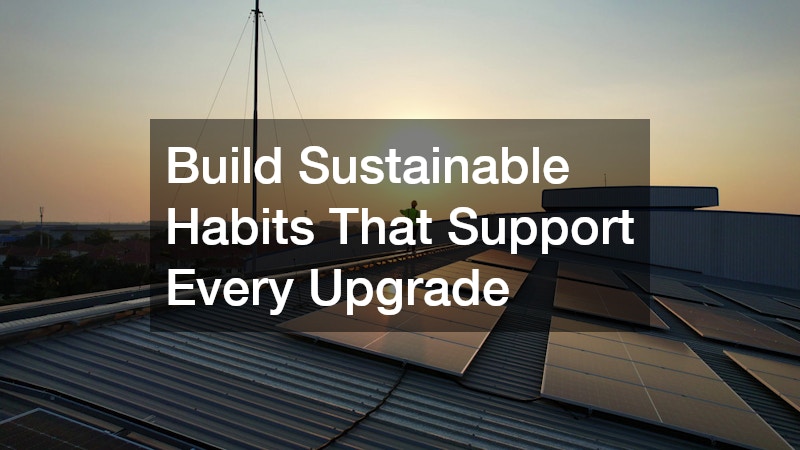
Installing rooftop solar has become one of the most popular sustainability upgrades for Australian households. However, achieving the greatest return requires more planning than simply covering every available section of roof with panels.
Successful solar panel installation begins with understanding how electricity is currently used within the home. Reviewing several months of electricity bills provides valuable insight into daily consumption patterns, seasonal fluctuations and opportunities to offset grid electricity with renewable generation.
Roof orientation also plays an important role. While north-facing roofs generally receive the greatest amount of sunlight, east and west-facing roof sections may also contribute meaningful energy production depending on household usage patterns. Trees, neighbouring buildings and roof structures should all be considered when assessing potential shading.
Future household plans deserve equal attention. Families intending to purchase an electric vehicle, install battery storage or transition to electric cooking may benefit from designing a system that accommodates increased electricity demand over time.
Selecting experienced installers helps reduce the likelihood of design issues that affect long-term performance. A quality installation should include careful positioning of panels, appropriate inverter selection, safe electrical connections and ongoing support should maintenance ever be required.
Once a system has been installed, homeowners can maximise savings by shifting energy-intensive activities into daylight hours. Running washing machines, dishwashers and pool equipment while solar panels are actively generating electricity allows more renewable energy to be used directly within the home instead of relying on the electricity grid.
Create Outdoor Spaces That Require Less Water & Maintenance
A sustainable home extends well beyond its walls. Gardens, lawns and outdoor entertaining areas all contribute to a property’s environmental impact, particularly when they require large amounts of irrigation or frequent maintenance. Fortunately, thoughtful landscape design can create attractive outdoor spaces that use fewer resources while remaining practical throughout the year.
One of the simplest ways to reduce water consumption is by selecting plants that are well-suited to the local climate. Native Australian species have adapted to regional conditions over thousands of years and generally require less supplementary watering once established. They also provide valuable habitat for birds, insects and other wildlife, helping to support local ecosystems.
Grouping plants according to their watering requirements is another effective strategy. Placing species with similar moisture needs together allows irrigation to be used more efficiently, reducing both water waste and plant stress. Applying a generous layer of mulch around garden beds further improves water retention by slowing evaporation and suppressing weed growth.
Irrigation systems also deserve careful consideration. Drip irrigation delivers water directly to the root zone, reducing losses caused by evaporation and wind. Adding a timer or smart controller allows watering schedules to be adjusted automatically according to seasonal conditions, preventing unnecessary water use after rainfall.
Consider Lawn Alternatives That Suit Your Lifestyle

Natural lawns certainly have their place, but they are not always the most practical option for every household. Maintaining a healthy lawn can require regular mowing, fertilising, weed control and substantial amounts of water, particularly during prolonged dry periods.
For homeowners seeking a lower-maintenance solution, working with a reputable turf company can help determine whether synthetic turf is appropriate for their property. Modern products have improved considerably over the past decade, offering a realistic appearance, better drainage and increased durability compared to earlier generations.
Artificial turf may be particularly beneficial in smaller courtyards, rooftop gardens, children’s play areas and properties where maintaining natural grass has become difficult. Eliminating regular mowing also reduces fuel consumption and ongoing maintenance costs while keeping outdoor spaces usable throughout the year.
That said, synthetic turf should not automatically replace every natural surface. Retaining garden beds, trees and other vegetation remains important for supporting biodiversity, reducing urban heat and improving the overall appearance of outdoor spaces. Many homeowners achieve the best results by combining low-maintenance lawn areas with drought-tolerant planting throughout the remainder of the landscape.
Reduce Water Waste Inside the Home
Water conservation often begins with outdoor irrigation, yet many households unknowingly waste significant amounts of water indoors through ageing fixtures and hidden leaks. Even a slow drip can result in considerable water loss over time, making regular inspections an important part of maintaining an efficient home.
Experienced plumbers can identify issues that may otherwise go unnoticed, including concealed leaks within walls, deteriorating pipework and inefficient fittings that consume more water than necessary. Addressing these problems early not only conserves water but may also prevent more extensive property damage in the future.
Replacing older fixtures with water-efficient alternatives is one of the simplest upgrades available. Modern showerheads, dual-flush toilets and efficient tapware reduce water consumption without significantly affecting everyday performance. Many homeowners notice lower water bills shortly after these improvements are completed.
Hot water systems also influence household efficiency. Older storage units often consume more energy than newer technologies, particularly if insulation has deteriorated over time. Depending on household needs, upgrading to a heat pump or solar-assisted hot water system may provide additional long-term savings while reducing greenhouse gas emissions.
Don’t Overlook the Value of Regular Maintenance
Installing sustainable products is only part of creating an environmentally responsible home. Ongoing maintenance protects those investments while helping systems continue operating at peak efficiency for many years.
Heating and cooling equipment should be serviced according to manufacturer recommendations, while solar panels benefit from occasional inspections to identify excessive dirt, debris or damage that could reduce energy production. Gutters should be cleared regularly to maintain proper drainage and prevent water-related issues around the home.
Roof inspections can also identify damaged tiles, loose flashing or blocked drainage before minor issues become major repairs. Checking seals around windows and doors every few years helps maintain energy efficiency as materials naturally age and settle.
Outdoor areas require similar attention. Irrigation systems should be inspected for leaks, mulch replenished as it breaks down and trees pruned when necessary to maintain healthy growth while preventing excessive shading of solar panels or roof structures.
Build Sustainable Habits That Support Every Upgrade
Even the most energy-efficient home performs better when supported by thoughtful everyday habits. Small changes made consistently can complement larger investments and further reduce household resource consumption.
Simple actions such as switching off lights when rooms are unoccupied, using appliances during daylight hours to take advantage of solar generation and allowing washing to dry naturally whenever the weather permits all contribute to lower energy use. Taking shorter showers, repairing dripping taps promptly and monitoring utility bills can help identify opportunities for further improvement.
Many homeowners also find it helpful to review their home’s performance each year. Utility bills provide valuable insight into whether recent upgrades are delivering the expected benefits or whether additional improvements should be prioritised. Sustainability is rarely achieved through one major project alone; it is an ongoing process of refining how the home operates over time.
Planning upgrades gradually also makes financial sense. Rather than attempting every project at once, homeowners can spread investments across several years, allowing each improvement to build upon previous work while making budgeting more manageable.
Creating a greener home does not require every upgrade to happen at once. The most successful projects usually begin with understanding how the home currently performs before making thoughtful improvements that work together to reduce energy use, conserve water and create healthier living spaces. From improving indoor comfort and generating renewable energy to designing lower-maintenance gardens, each decision contributes to a more sustainable property.
By focusing on practical improvements, maintaining existing systems and adopting everyday habits that support long-term efficiency, homeowners can enjoy greater comfort, lower operating costs and a home that is better prepared for the future while reducing its overall environmental impact.

